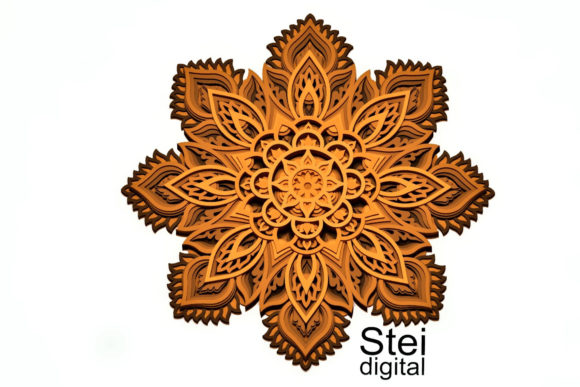
3D Layered Flower Mandala: A Creative and Versatile Design for Modern Crafters
Art, design, and craftsmanship have evolved significantly in the digital age, with tools like CNC lasers, Cricut, and Silhouette machines enabling creators to bring intricate visions to life. One standout design that has captured the attention of crafters and artists is the 3D Layered Flower Mandala. This stunning piece combines symmetry, beauty, and depth, making it a perfect choice for decorative items, home décor, or even commercial products. In this article, we’ll explore everything you need to know about the 3D Layered Flower Mandala F12, including how to cut it using modern technology and what makes it a valuable addition to your creative toolkit.
What Makes the 3D Layered Flower Mandala Unique?
A mandala is traditionally a spiritual and ritualistic symbol representing the universe, often used in meditation and art. The 3D Layered Flower Mandala, however, takes this concept into a new dimension—literally. It's crafted from multiple layers, each contributing to the overall visual impact and depth of the final product. The result is an elegant, eye-catching design that can be displayed as a standalone piece or integrated into larger projects.
The Flower Mandala F12 specifically consists of 8 distinct layers, allowing for customization and variation in texture, color, and material. Each layer is designed to fit precisely with the others, creating a seamless, harmonious look when assembled. Whether you're working on a wall hanging, jewelry box embellishment, or a centerpiece for a special event, the layered approach adds richness and complexity that flat designs simply can't match.
Dimensions and Scalability of Flower Mandala F12
One of the key features of the Flower Mandala F12 is its well-defined dimensions, which make it suitable for a wide range of applications. The size depth is 24 mm, while the height and length are both 287 mm. These measurements provide enough space to create a visually impressive piece without being overly large or unwieldy.
Importantly, the design is scalable, meaning you can adjust the size to suit your specific needs. Want a smaller version for a greeting card? No problem. Need a grander display for a wedding or gallery? That’s achievable too. The flexibility of scalability ensures that the Flower Mandala F12 can adapt to various materials and project sizes, making it ideal for both personal and professional use.
Why Scalability Matters in Modern Projects
In today’s fast-paced world, one-size-fits-all designs rarely meet the diverse demands of different users. Scalability allows artists and designers to tailor their work to specific spaces or functions. For instance, a scalable mandala could be transformed from a delicate ornament for a baby’s nursery to a bold statement piece for a yoga studio. This adaptability enhances the practicality and longevity of the design in your creative portfolio.
Cutting the Flower Mandala F12: Tools and Techniques
To produce the Flower Mandala F12, you'll need a reliable cutting machine capable of handling layered materials. The recommended tools include:
- CNC laser cutter
- Cricut
- Silhouette
- Other precision cutters
These machines are known for their accuracy and ability to handle intricate patterns, especially when working with materials of varying thicknesses. For best results, ensure your material is between 2–4 mm thick. Common choices include wood, acrylic, felt, foam board, or thin metal sheets. The right material will not only enhance the aesthetic appeal but also affect the ease of cutting and the durability of the finished piece.
Layer-by-Layer Cutting: Why It Works Best
The Flower Mandala F12 comes with 8 DXF files, each corresponding to one layer of the design. Similarly, there are 8 SVG files available for those who prefer vector-based software. Having separate files for each layer gives you more control over the cutting process and allows for individual customization if desired.
For example, you might want to stain each wooden layer differently to add a gradient effect or use contrasting colors in felt to emphasize certain petals. By isolating each layer, you can experiment with textures and finishes before assembling the final piece. This level of detail is crucial for achieving the mandala’s signature elegance and visual harmony.
Streamlined Assembly with a Combined File
If you’re looking for a quicker workflow, especially when using a Cricut machine, the package includes 1 SVG file containing all 8 layers. This combined file is pre-aligned and ready to cut, saving time and reducing the risk of misalignment during the assembly phase. Just load the file into your software, select the appropriate settings for your material, and let the machine do the rest.
This feature is particularly useful for beginners or those working under tight deadlines. However, advanced users may still prefer the individual files for greater artistic freedom and adjustment options.
File Formats Included: DXF and SVG Explained
When purchasing the Flower Mandala F12, you receive two primary file formats: DXF and SVG. Both are widely supported by most cutting machines and design software, ensuring compatibility across platforms.
DXF (Drawing Exchange Format) is a CAD data file format commonly used in engineering and architectural fields. It offers precise geometry and is excellent for laser cutting due to its compatibility with technical software. If you're using a CNC laser or similar machine, the DXF files will give you the cleanest lines and sharpest details.
SVG (Scalable Vector Graphics) is a vector image format ideal for digital crafting. It's especially popular among Cricut and Silhouette users because it supports scaling without losing quality and integrates seamlessly with design programs like Adobe Illustrator or Cricut Design Space.
All files are provided in an archived folder, typically compressed with WinRAR. You'll need either WinRAR or an online extractor tool to open them. This packaging method keeps the files organized and secure, preventing accidental corruption or loss.
Choosing the Right Machine for Your Project
Selecting the correct cutting machine is essential for successfully producing the 3D Layered Flower Mandala. Here’s a quick overview of the most common options:
- CNC Laser Cutter: Best for high-precision cuts and materials like wood, acrylic, or leather. Offers excellent detail and speed, especially for complex shapes.
- Cricut: Ideal for hobbyists and small-scale projects. Supports a variety of materials and is user-friendly for beginners.
- Silhouette: Known for its versatility and affordability. Great for paper, fabric, vinyl, and thin foams. The single-layer SVG file works exceptionally well here.
Each machine has its strengths and limitations, so consider your project goals and available resources before choosing. For instance, if you're aiming for a durable, long-lasting sculpture, a CNC laser might be the better option. But if you're creating a temporary decoration or experimenting with soft materials, a Cricut or Silhouette could be sufficient.
Material Considerations for Optimal Results
As mentioned earlier, the Flower Mandala F12 requires materials that are 2–4 mm thick. This range ensures structural integrity while remaining manageable for most cutting tools. When selecting your material, think about the intended use and the environment where the mandala will be displayed.
Here are some recommended materials and their uses:
- Birch Plywood: Lightweight and easy to paint. Perfect for wall art or floating shelves.
- Acrylic Sheets: Translucent or transparent options offer a modern look. Great for light installations or clear displays.
- Felt: Soft and flexible. Ideal for DIY gifts, children’s rooms, or sensory decorations.
- Paperboard: Budget-friendly and eco-conscious. Suitable for cards, invitations, or temporary exhibits.
Always test your machine settings with a scrap piece before committing to the full set of layers. This helps avoid costly mistakes and ensures a smooth production process.
Applications and Uses of the 3D Layered Flower Mandala
The beauty and intricacy of the 3D Layered Flower Mandala F12 make it highly versatile. Here are some popular applications:
- Home Décor: Hang it on a wall, place it on a mantel, or use it as a room divider to add a touch of nature-inspired art.
- Wedding and Event Decor: Create floral centerpieces, backdrops, or signage with a unique, handcrafted feel.
- Jewelry Boxes or Gift Baskets: Use the mandala as a lid design or decorative accent to elevate ordinary containers.
- Commercial Products: Incorporate it into branded merchandise, such as custom keychains, phone cases, or promotional items.
- Educational Projects: Teachers and students can use it for hands-on learning in design, art, or STEM classes.
Thanks to its modular design and layered construction, the mandala can be adapted for nearly any purpose. It's not just a decorative element—it’s a canvas for creativity.
Real-Life Scenarios Where This Mandala Shines
Imagine a boutique selling handmade candles. Adding a 3D Layered Flower Mandala as a candle holder or label would instantly elevate the product’s perceived value. Or picture a wellness center incorporating the mandala into a meditation corner—its calming, symmetrical form aligns perfectly with the space’s intent.
Another scenario involves seasonal decorating. During spring or summer, the mandala can serve as a vibrant centerpiece made from colored acrylic or painted wood. In winter, switch to felt or wool for a cozy, textured version. The possibilities are endless when you understand how to manipulate the design to fit your theme.
Getting Started with the Flower Mandala F12 Files
Once you’ve unzipped the archive, you’ll find a structured set of files ready for use. Here’s a breakdown of what you’ll get:
- 8 DXF Files: Each layer is separated for detailed customization and precise cutting.
- 8 SVG Files: Similar to DXF, these allow for layer-specific edits and are compatible with most design software.
- 1 Combined SVG File: All layers are aligned in one file for easy cutting and faster setup.
Using these files effectively requires a basic understanding of your machine’s software. Most systems let you import DXF or SVG files and adjust the settings based on material type and thickness. Always double-check the alignment and order of layers before cutting to avoid confusion during assembly.
Tips for Assembling the Layers
After cutting all layers, the next step is to assemble them. Here are some tips to help you achieve a polished finish:
- Use a ruler or template to align the layers accurately before gluing.
- Apply a small amount of adhesive to each joint to prevent slippage.
- Allow time for the glue to dry completely before handling the mandala.
- Consider adding a backing plate for stability, especially if using lightweight materials.
- Paint or stain the layers after assembly for a cohesive look.
With careful attention to detail, your Flower Mandala F12 can transform from a collection of cutouts into a stunning three-dimensional masterpiece.
Why Artists and Crafters Love the 3D Layered Flower Mandala
The 3D Layered Flower Mandala F12 stands out in the crafting community for several reasons. First, it’s visually striking, with each layer contributing to the illusion of blooming flowers and flowing petals. Second, it’s modular, giving creators the freedom to modify or expand the design as needed. Third, it’s repeatable, allowing for mass production without compromising quality.
Additionally, the mandala appeals to a broad audience. Its floral elements attract those interested in nature-themed art, while the mandala’s symbolic balance and symmetry resonate with mindfulness and spiritual communities. This dual appeal makes it a smart investment for both personal enjoyment and business ventures.
Maximizing Creativity and Profit
For entrepreneurs, the 3D Layered Flower Mandala offers a way to stand out in competitive markets. Customized versions can be sold as luxury home décor items, personalized gifts, or part of a themed collection. The design’s universal appeal means it can be marketed across cultures and demographics, increasing its commercial viability.
On a personal level, the mandala provides a sense of accomplishment and satisfaction. Watching a flat file transform into a multidimensional artwork through your own efforts is incredibly rewarding. Plus, the process encourages mindfulness, turning the act of creation into a meditative experience.
Common Questions and Considerations Before Starting
Before diving into your Flower Mandala F12 project, it’s helpful to address a few common concerns:
- Do I need special software? While some machines come with built-in support for DXF and SVG, others may require third-party design software. Check your machine’s specifications.
- Can I mix materials for each layer? Yes! Mixing materials like wood, acrylic, and felt can create interesting contrasts and textures.
- How much time will it take to complete? Depending on your machine and experience, expect to spend 1–3 hours on cutting and another 1–2 hours on assembly and finishing touches.
- Is it suitable for beginners? Absolutely. With the combined SVG file and simple instructions, even novice crafters can complete the project successfully.
By planning ahead and preparing your workspace, you can streamline the process and enjoy a smoother experience. Many online tutorials and forums can also guide you through troubleshooting or advanced techniques.
Conclusion
The 3D Layered Flower Mandala F12 is more than just a design—it’s a gateway to exploring the intersection of technology and art. With its 8 layers, scalable dimensions, and compatibility with leading cutting tools, it empowers creators to produce stunning, dimensional pieces with relative ease. Whether you're a seasoned designer or a curious beginner, this mandala offers something special: the chance to blend precision with creativity in a way that feels both modern and timeless.