3D Floral Illustration Background: Creative Uses and Practical Applications
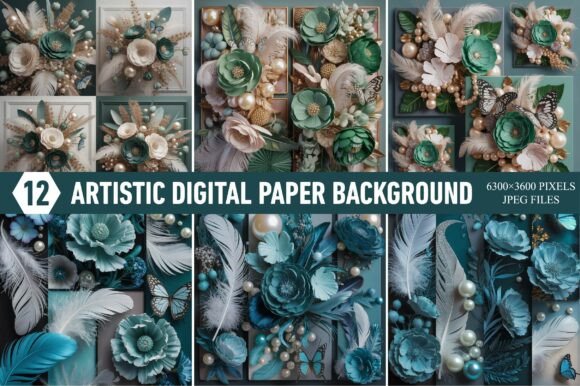
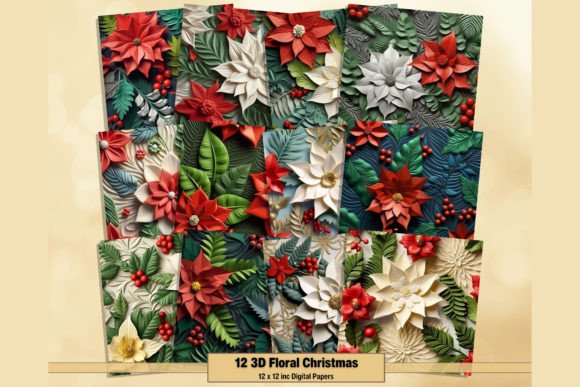
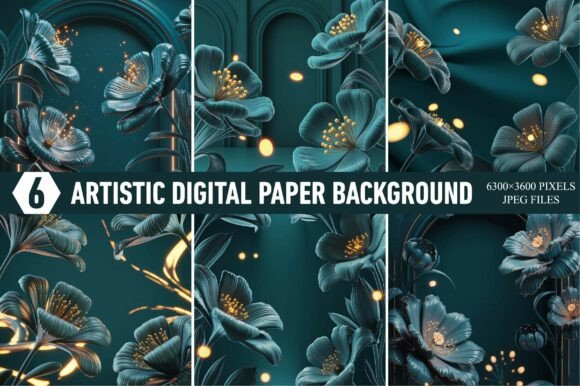
A 3D floral illustration background is a digital design element that brings the beauty of flowers into your projects with added depth and realism. Unlike traditional 2D floral images, these backgrounds use three-dimensional modeling techniques to create lifelike textures, lighting effects, and spatial relationships. They’re often created using graphic design software or 3D rendering tools, giving artists and designers more control over how each petal, leaf, and stem looks and behaves within the visual space.
The files you’ll find in the included ZIP folder—six high-resolution JPGs—offer a versatile set of assets for both print and digital work. Each image is crafted at 300 DPI, sized at 12×12 inches (3600×3600 pixels), and formatted in RGB color mode. These specifications make them ideal for professional-grade applications where clarity and detail matter most.
Real-World Uses for 3D Floral Illustration Backgrounds
Whether you're designing for personal expression or commercial purposes, 3D floral illustrations can add an elegant, eye-catching touch. Here are some common scenarios where these backgrounds shine:
- Wedding Invitations and Stationery: The intricate details and vibrant colors of 3D floral backgrounds help create a romantic, luxurious feel. Many couples opt for botanical themes, and these designs allow for customization without compromising quality.
- Interior Design and Branding: From website headers to product packaging, floral elements are timeless. A well-crafted 3D floral background can serve as a subtle yet sophisticated brand identifier across various media platforms.
- Print Media and Advertising: High-resolution files ensure that printed materials like brochures, posters, and magazines maintain their sharpness and visual appeal. Advertisers frequently use floral imagery in campaigns related to fashion, cosmetics, and wellness, making these backgrounds a go-to resource.
- Editorial and Blog Design: Online content creators often use floral accents to enhance the aesthetic of blog posts, newsletters, or magazine covers. With the RGB format and high resolution, these backgrounds look stunning on screens without pixelation.
- Product Mockups and E-commerce: When showcasing items such as candles, soaps, or home décor, floral backgrounds help set the scene. The layered appearance of 3D florals adds realism, which can increase customer engagement and perceived value.
Who Can Benefit from Using These Files?
Designers, small business owners, event planners, and even hobbyists can take advantage of the included 3D Floral Illustration Background files. Let’s break down how different users might apply them:
- Graphic Designers can integrate these backgrounds into client projects, saving time while delivering premium visuals. Their versatility allows for easy layering with text, logos, or other graphics without overwhelming the main content.
- Event Planners might use them in digital invitations, social media promotions, or signage for weddings, galas, or themed parties. The realistic look of 3D florals helps convey the event's tone before guests even arrive.
- Photographers and Content Creators can utilize these backgrounds when building templates for photo overlays or creating stylized flat lays. The high-quality JPGs ensure that the final output remains crisp and professional.
- Small Business Owners can elevate their branding by using these images in marketing materials, email headers, or store displays. For example, a boutique selling handmade jewelry may pair a delicate floral background with minimalist product photography to highlight craftsmanship.
How to Choose the Right Background for Your Project
Selecting the best 3D Floral Illustration Background depends on your project’s goals and audience. Here are some practical considerations:
- Color Scheme Compatibility: Check if the dominant colors in the floral design align with your brand or theme. Some files may feature bold hues, while others lean toward soft pastels or monochrome tones.
- Background Opacity: Even though the files are in JPG format, consider how much visibility they offer. A busy floral pattern may require adjustments in brightness or contrast to ensure readability of overlaid text or elements.
- Intended Use: If you plan to print, confirm that the layout and scale will work for the physical dimensions. Digital use allows for greater flexibility, but keep in mind screen resolutions and loading times, especially for websites or mobile apps.
- Project Tone: Do you want something whimsical, elegant, or modern? The complexity and style of the floral illustration should match the message you’re trying to convey. A minimalist design works well for luxury brands, while more detailed options suit creative or artistic ventures.
- High Detail and Realism: The 3D aspect gives the illusion of depth and texture, which can make your project stand out visually.
- Print and Digital Versatility: Whether it’s a poster for a flower shop or a social media post for a lifestyle brand, the high-resolution JPG format ensures consistent quality across mediums.
- Time-Saving Resource: Instead of commissioning custom illustrations or sourcing stock images, you can immediately use these ready-made files to bring ideas to life quickly.
- Fixed Composition: Since the files are pre-rendered, you can’t modify individual elements like repositioning petals or changing colors directly in the image. You’d need to edit them in layers or use masking techniques in design software.
- Licensing Restrictions: Always check the usage rights associated with the files. While the provided JPGs are likely for personal or commercial use, specific conditions may apply depending on the source or platform.
- Storage and File Size: At 300 DPI and 3600x3600 pixels, each file could be relatively large. This is great for quality but may affect performance if used on fast-loading websites or mobile-first platforms.
- Overcomplication: Don’t layer too many design elements on top of a complex floral background. It can make the overall composition feel cluttered and reduce legibility.
- Inconsistent Lighting: If you’re combining the background with other 3D elements or photos, ensure the lighting matches. Mismatched light sources can break the illusion of realism and look unprofessional.
- Neglecting Accessibility: Always test your design with accessibility tools. Highly detailed backgrounds may pose challenges for users with visual impairments if not balanced properly with foreground elements.
- Organize the Files: Extract the contents and rename the images based on their visual characteristics (e.g., “BoldRedFlowers”, “PastelSpringMix”) to streamline your workflow.
- Preview in Context: Open each file in your preferred design software to see how it interacts with your project’s layout. Try placing text or logos on top to assess visibility and contrast.
- Adjust as Needed: Depending on your project, you might need to resize, crop, or overlay the background with filters or textures. Keep the original file untouched for future use.
- Test Print Outputs: Before finalizing any print-based design, preview the background on paper or fabric swatches. Sometimes, what looks good on screen doesn’t translate perfectly in print.
Strengths and Limitations of 3D Floral Illustration Backgrounds
These backgrounds come with several strengths that make them valuable in many contexts:
However, there are also limitations to be aware of:
Scenarios Where 3D Floral Illustration Backgrounds Excel
Here are some real-world examples of how these backgrounds have been used effectively:
Example 1: Wedding Website Headers
A wedding planner wanted to create a cohesive online presence for a couple who loved nature-themed events. By using a 3D floral illustration background in their website header and invitation design, the planner gave the couple a unified look that felt fresh and elegant. The background was subtle enough not to distract from the couple’s photos and names but still rich in detail to reflect the event’s sophistication.
Example 2: Luxury Skincare Packaging
A startup developing natural skincare products needed branding that conveyed purity and care. The team chose a floral background with soft gradients and translucent petals to give the packaging a calming, organic vibe. The high resolution allowed for beautiful embossing and foil printing, adding a tactile dimension to the product experience.
Example 3: Social Media Campaigns
A local florist launched a spring promotion and used one of the 3D floral illustration backgrounds for Instagram banners and Facebook ads. The vivid colors and realistic textures helped the campaign catch attention, leading to increased inquiries and sales. The same background was later adapted for in-store signage and delivery boxes, reinforcing brand identity throughout the customer journey.
Common Pitfalls to Avoid
While these backgrounds are powerful tools, misuse can lead to less-than-ideal results. Here are a few things to watch out for:
Getting Started with Your 3D Floral Illustration Backgrounds
Once you’ve downloaded the ZIP folder containing six JPG files, you can start experimenting right away. Here’s a quick breakdown of what to do next:
With these tips in hand, you can confidently incorporate the 3D Floral Illustration Background into a wide range of creative endeavors. Whether you’re crafting digital art, enhancing a presentation, or redesigning a product catalog, these files offer a blend of beauty and functionality that can elevate your work.