3D Cartoon Vintage Airplane: A Nostalgic and Fun Design for 3D Printing Enthusiasts
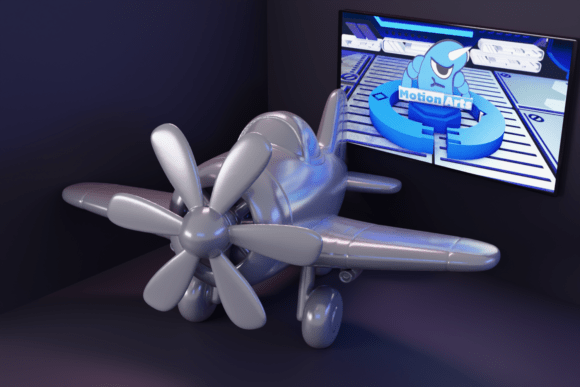
The 3D Cartoon Vintage Airplane is a charming digital model that brings the golden era of aviation to life in a playful, stylized way. Designed with soft curves, exaggerated features, and whimsical details, this STL file captures the retro essence of classic aircraft while adding a modern twist through its cartoon aesthetic. It’s ideal for hobbyists, educators, collectors, and even marketers looking to infuse a sense of nostalgia into their projects or spaces.
Why People Love the 3D Cartoon Vintage Airplane
This design has captured the attention of many because it blends historical charm with contemporary creativity. The vintage airplane motif appeals to those who appreciate mid-century aviation history, while the cartoon style makes it approachable and fun for all ages. Whether used as a decorative piece on a shelf, a functional toy for children, or part of a larger diorama or display, the 3D Cartoon Vintage Airplane offers both visual appeal and versatility.
Its lightweight construction also makes it suitable for various applications — from educational models in classrooms to promotional items at events. For 3D printing enthusiasts, it serves as an excellent project for practicing techniques like color application, assembly, and scaling.
Common Mistakes When Choosing a 3D Model
While the 3D Cartoon Vintage Airplane looks simple, there are several common mistakes people make when selecting or using such models:
- Overlooking File Optimization: Many users assume that any STL file will print well, but poor optimization can lead to failed prints, stringing, or warping. Always check if the file includes support structures or requires them based on your printer’s capabilities.
- Ignoring Scale and Proportion: The model may appear perfect in digital form, but without considering real-world scale, printed versions might be too large for their intended space or too small to showcase fine details.
- Assuming All Printers Are Equal: Not every 3D printer handles complex geometries or thin walls the same way. Some models might need higher resolution settings or specific materials to maintain quality.
- Skipping Pre-Print Checks: Failing to inspect the model for errors like non-manifold geometry or inverted normals before printing can result in wasted time and materials.
How These Mistakes Impact Your Results
Making these oversights can affect the final product in multiple ways. A poorly optimized file might cause your printer to struggle, leading to layer separation or misaligned parts. Ignoring scale could mean you end up with a model that doesn’t fit your vision or purpose — imagine placing a tiny cartoon plane in a large room; it simply won’t make an impact.
Additionally, not accounting for your printer’s limitations can result in a model that lacks detail or appears incomplete. This can be frustrating, especially if you’re aiming for a high-quality collectible or a display item. In some cases, improper slicing settings may cause overhangs to sag or supports to break during printing, ruining hours of work and increasing costs due to material waste.
Practical Tips to Avoid Common Pitfalls
To ensure the best outcome when working with the 3D Cartoon Vintage Airplane, consider the following advice:
- Verify File Quality: Before downloading, look for user reviews or ratings of the STL file. A well-reviewed model indicates that others have had success with it. Also, use slicing software like Cura or PrusaSlicer to preview the model and detect potential issues.
- Adjust Scale Thoughtfully: Use your slicing program to adjust the size of the model according to your needs. If you plan to paint it, keep in mind that smaller models may require finer brushes and more precision.
- Optimize Printer Settings: Set your printer to a recommended resolution (typically between 0.1mm and 0.2mm) for intricate designs. Ensure your bed is level and the first layer adheres properly to avoid early print failures.
- Use Appropriate Materials: While PLA is often sufficient for decorative pieces, consider using PETG or TPU if you want a sturdier or more flexible finish. These materials handle curved surfaces better and reduce the risk of warping.
- Plan for Post-Processing: Because this model is designed for customization, you’ll likely want to paint or assemble it. Choose models that come with clear instructions or separate parts for easier post-print handling.
Realistic Example: Customizing for a Themed Room
Say you're designing a themed nursery or a retro-style office and want to include a few 3D Cartoon Vintage Airplanes as decor. You might download the model, scale it down, and start printing — only to find the wings don’t attach properly or the colors aren’t vibrant enough. By checking the model’s compatibility with your printer, adjusting the scale to match your room’s layout, and planning ahead for painting, you can create a cohesive and visually appealing display that adds personality and charm.
What to Check Before Downloading or Using the Model
Before committing to a print run, always review the following aspects of the 3D Cartoon Vintage Airplane model:
- File Format: Confirm the model is provided in STL format, which is widely compatible with most 3D printers and slicing tools.
- Support Requirements: Determine whether the model already includes internal supports or if you'll need to add them manually. Some parts of the plane, like the tail or cockpit, may require additional support to print correctly.
- Design Complexity: Look at the number of parts and how they interlock. More complex models may take longer to print and assemble but offer greater satisfaction and realism.
- License Terms: Understand what you can do with the model after purchase. Some licenses allow commercial use, while others are strictly personal. This is especially important if you're creating products for sale or distribution.
- Printer Compatibility: Review the model's minimum printer specifications. This includes nozzle size, build volume, and recommended print speed. Matching these to your own setup ensures smoother results.
Better Approaches for Optimal Printing
Instead of jumping straight into printing, take a few steps to set yourself up for success:
- Test Print a Small Section: Before printing the full model, test one wing or fuselage section to evaluate how your printer handles the design. This helps identify any necessary adjustments in advance.
- Choose the Right Orientation: Position the model so that delicate areas are supported adequately. Orienting the plane nose-down can help prevent sagging on the wings and tail.
- Plan for Painting: If you intend to customize the look, consider leaving extra wall thickness in critical areas to allow for sanding and painting without breaking the model.
- Compare with Similar Models: If you're unsure about the design, compare it with other similar vintage airplane models available online. This gives you a better idea of what works well and what might need improvement.
Example: Comparing Two Models
Imagine you’re choosing between two different 3D Cartoon Vintage Airplane models. One has a detailed cockpit and propeller but no support structures, while the other is simpler but fully pre-supported. Depending on your printer type and experience level, the second option might be wiser for beginners. However, if you have the skills and equipment to manage supports, the first could yield a more impressive finished product.
Conclusion: Make Informed Choices for Better Outcomes
The 3D Cartoon Vintage Airplane is a delightful and versatile model that can bring joy and character to your 3D printing projects. But like any creative endeavor, success depends on preparation and understanding the nuances involved in the process. By avoiding common mistakes related to file quality, scale, printer settings, and post-processing, you can enhance the usability, presentation, and overall satisfaction of your finished piece.
Whether you're a seasoned professional or just starting out, taking the time to research and plan your print job ensures you get the most out of your investment. So next time you're tempted to grab the latest 3D model, remember: the right choices matter just as much as the design itself.